


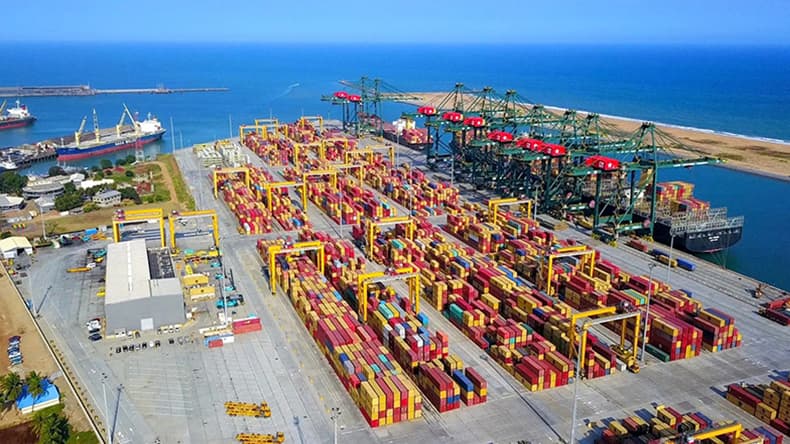
Importing Construction Materials into Togo: A Project-Ready Checklist
Plan construction material shipments through Lomé with a practical checklist for specifications, documents, port coordination, storage, and regional transit.
By Sarakim Trade
The Port of Lomé connects Togo with global suppliers and inland West African markets. For construction cargo, successful delivery depends less on a generic import checklist than on aligning the product specification, shipping documents, unloading plan, and project sequence before the vessel departs.
1. Freeze the technical scope
Start with a controlled bill of quantities. For every line, record the product standard, dimensions, finish, unit, quantity, approved equivalent rules, and required documentation.
For system products—drywall, insulation, waterproofing, façades, or suspended ceilings—confirm compatibility across every component. Mixing a board, profile, fastener, and compound from unrelated systems can create performance and warranty problems.
2. Confirm the import path
Decide whether the shipment is for consumption in Togo or onward transit. Your customs broker and freight forwarder should confirm the appropriate procedure, required permits, taxes or guarantees, and document originals before loading.
At minimum, align the commercial invoice, packing list, transport document, certificate of origin when required, insurance documents, and any product-specific certificates. Descriptions, quantities, weights, marks, and consignee details must agree across documents.
3. Build the shipment around the site
The container plan should reflect how the project will receive materials:
- Can the site unload the heaviest pack safely?
- Which items are needed first?
- Do moisture-sensitive products have covered storage?
- Are fragile finishes separated from dense or sharp cargo?
- Is the arrival window compatible with labor and equipment availability?
A well-filled container is not automatically a well-planned container. Loading only for volume can increase breakage and make priority materials inaccessible.
4. Make destination costs visible
Before choosing a freight offer, request a written list of likely destination charges and free-time conditions. Assign responsibility for arrival notices, document release, customs entries, inspections, terminal handling, container return, and inland delivery.
Track key dates from the carrier’s documents rather than relying only on an estimated arrival date. A clear owner for each action reduces the risk of storage, detention, or demurrage.
5. Plan regional transit separately
If cargo will continue to Burkina Faso, Niger, Mali, or another inland market, treat the corridor movement as its own project. Confirm the transit procedure, border documents, security arrangements, truck requirements, route restrictions, and final unloading location with qualified local providers.
Do not assume a port-to-Lomé freight quote includes inland transit or the guarantees associated with it.
A useful pre-shipment review
Before authorizing dispatch, bring the supplier, buyer, forwarder, broker, and site representative onto one checklist:
- Approved products and quantities
- Final packing list with dimensions and weights
- Document responsibilities and deadlines
- Vessel, route, and current schedule
- Insurance scope
- Destination charges and free time
- Unloading, storage, and onward-delivery plan
Sarakim coordinates suppliers and export packing around the buyer’s destination and project sequence. Customs procedures, carrier schedules, and charges can change, so confirm the final plan with your licensed broker and logistics providers before each shipment.
Planning a construction materials shipment?
Share your bill of quantities, destination, and timeline. We’ll help you clarify the sourcing and logistics options.
Request a Quote